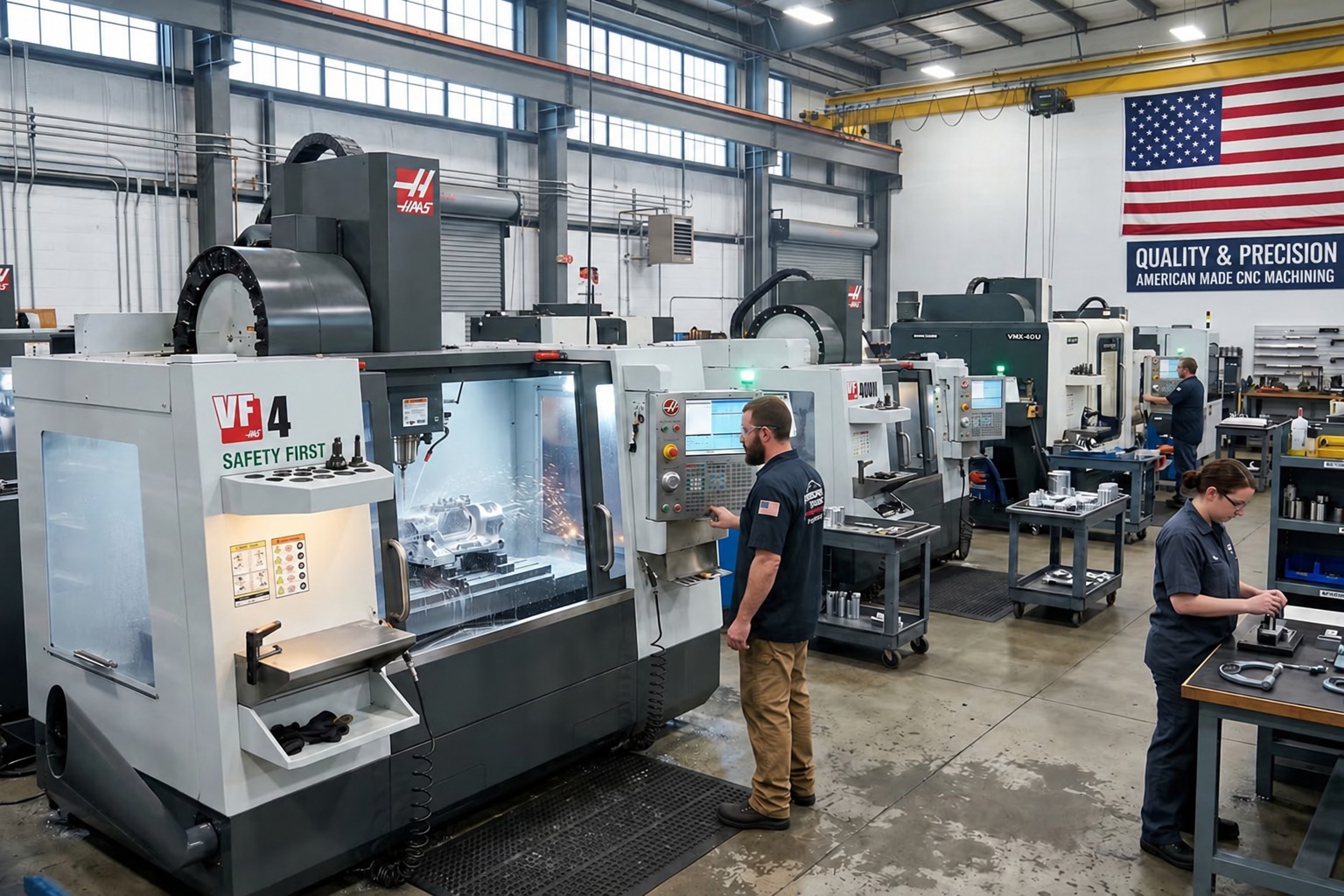
- Small companies hold much of our specialized manufacturing know-how.
Much of the knowledge and skill needed for specialized production resides in shops and companies with fewer than 500 employees. Although large factories and publicly listed companies attract the most attention, major manufacturers often depend on hundreds—or even thousands—of smaller suppliers.
- Decades of specialized expertise remain proprietary.
Many specialized production techniques are not taught in colleges or universities or documented in books or online. Smaller shops have developed and refined these vital methods over decades, and much of that knowledge is proprietary and not publicly disclosed. Even seemingly simple processes can depend on hard-earned expertise that is difficult to replicate.
- Shop closures erode entire manufacturing communities.
The United States loses specialized shops every month, taking valuable production knowledge with them. Regional networks of suppliers, skilled workers, and manufacturers—built around particular technologies and products—have contracted or disappeared, making it harder for the remaining companies to operate and for new ones to emerge.
- New technologies still depend on established manufacturing skills.
Emerging technologies capture public attention, but a 3D printer alone cannot build an aircraft or an AI server. Both depend on specialized materials, components, tooling, and production processes—and the people who know how to make them work.
- A thinner, more dispersed supply chain slows American manufacturing.
Sources of raw materials, components, fabrication, and finishing have become fewer and farther apart—or disappeared entirely. Offshore alternatives may cost less, but can bring longer lead times and inferior quality. Distance also makes the direct, person-to-person collaboration once possible among nearby suppliers and manufacturers harder, sometimes impossible.
- A strong national economy depends on domestic innovation and production.
Homegrown R&D, onshore manufacturing, and a vibrant community of people who invent, build, and support one another sustain economic strength and create opportunities for growth.
- The “information economy” fashionably promised to separate invention from production.
In the 1960s and 1970s, a vision gained popularity: Americans would invent, design, and write specifications, while other countries would build what we ordered. That vision underestimated how much innovation depends on hands-on production knowledge—and close collaboration between those who design and those who build.
- America risks losing essential technical and manufacturing expertise.
As smaller shops close and vertically integrated regional manufacturing networks decline precipitously, the United States risks losing specialized skills, production knowledge, and relationships that took generations to build—and cannot be quickly replaced.
- Retain expertise and reconnect American industry.
The United States must preserve its specialized shops, skilled people, and production knowledge while rebuilding practical connections among manufacturers, suppliers, and R&D teams. These working relationships are essential to rebuilding and expanding the American industrial network.
- America’s dependence on offshore manufacturing is visible in everyday life.
China has a far larger manufacturing base than the United States. Fifty years ago, “Made in America” was commonplace. Today, check the origin labels on products you use at home and at work: most are manufactured offshore, predominantly in China.
- Geopolitics makes manufacturing dependence a national concern.
As we write in October 2026, geopolitical forces are shaping the American and global economies. As we become increasingly a nation of consumers of offshore products, we must realistically confront what continued losses in domestic manufacturing mean for our economic future and global standing.